Best Moisture Shield: Waterproofing Paint vs Membrane for Home Renovations
Table of Contents
Best Moisture Shield: Waterproofing Paint vs Membrane for Home Renovations

April 06, 2026
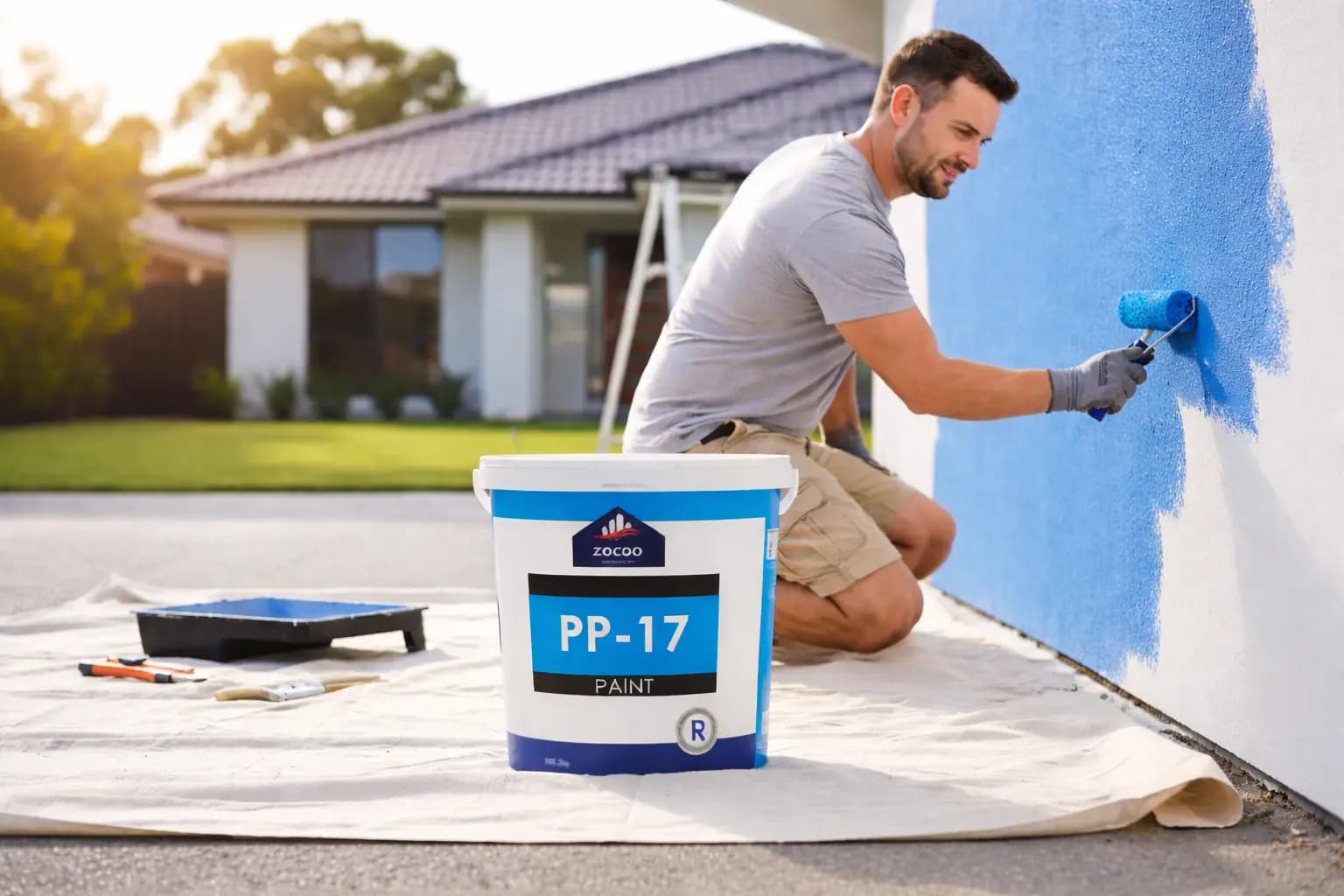
Australian homeowners face wet wall stress often. Storms in Sydney or Perth leave damp spots on brickwork. Many people feel confused about the best fix for wet basements. Choices between liquid layers and thick sheets cause massive headaches. This article compares waterproofing paint vs membrane options clearly. It helps homeowners select the right path for a dry house. Every renovation project deserves a solid moisture plan. Read ahead for clear facts on moisture blocks for every Australian room. Ready for a dry home?
What is Waterproofing Paint?
A waterproof coating functions as a liquid shield for porous surfaces. This liquid fills tiny holes in brick or concrete. This waterproof paint Australia market offers creates a barrier against mild rain. Homeowners apply this liquid with a brush or roller. It dries fast into a solid film. This product suits indoor areas with light moisture levels. Renovators use this for bathroom walls or laundry spots. It provides a simple way for moisture control in small home projects.
What is a Waterproofing Membrane?
A membrane acts as a heavy duty layer for wet areas. This wall waterproofing solutions choice involves thick rubber or plastic sheets. Professionals install this waterproof product on roofs and basement floors. It blocks heavy water flow effectively. Each sheet stays intact even if the house moves slightly. High moisture areas require this tough barrier for safety. It offers a permanent shield against flood risk. Builders prefer this for major structural tasks in office blocks or large homes.
Waterproofing Paint vs Membrane: Key Differences
| Feature | Waterproofing Paint | Waterproofing Membrane |
|---|---|---|
| Thickness | Thin coating | Thick layer/barrier |
| Flexibility | Moderate | High |
| Durability | Medium | High |
| Application | Easy (DIY possible) | Professional recommended |
| Cost | Lower | Higher |
| Best Use | Walls, light exposure | Roofs, heavy leakage areas |
Thickness
Liquid paint creates a thin film on the surface. Membranes offer a much thicker physical layer. This extra depth provides more safety against water pressure. Thick sheets withstand heavy rain better than thin liquid coats. Every house needs thick protection. This factor determines the strength of the barrier against floods.
Flexibility
Membranes stretch when the ground moves under the house. Paint remains rigid and cracks if the wall shifts. Flexible materials stay whole during hot or cold weather changes. Most Australian homes shift over time. Flexibility keeps the house dry. This elastic nature prevents leaks during seasonal shifts.
Durability
Paint lasts a few years before it needs another coat. Membranes last for decades without a replacement. This long life makes sheets a better investment for large buildings. Durable materials reduce the cost of repairs over time. Choose long life. Reliability depends on the lifespan of the chosen material.
Application
Apply liquid paint with a standard roller or brush. It requires basic skills. Membrane installation needs professional tools and heat guns. Experts must handle the sheet layout for a perfect seal. Simple tasks suit paint. Hard tasks need membrane experts. Professional help ensures the seal remains perfect for years.
Cost
Liquid paint costs less per square meter. Membranes require a higher initial budget for materials and labor. Homeowners save money now with paint but spend more later on repairs. High quality membranes save cash over a long period. Plan budgets. Wise spenders look at the total life cost.
Best Use
Use liquid paint for minor wall moisture or decor. Choose membranes for roofs, balconies, or below ground walls. These heavy areas face constant water pressure. Proper material choice ensures a safe home. Match the product to the wetness level. Correct use leads to success.
When Should You Choose Waterproofing Paint?
Small Bathroom Refresh Tasks
Small bathrooms benefit from liquid coats on the walls. These areas face steam and light splashes daily. A liquid layer creates a clean look while it blocks vapor. Homeowners complete this task in one weekend. It keeps the plaster board safe from rot. This choice works well for guest toilets or small ensuite rooms. Simple liquid application saves time during busy renovation schedules.
Interior Wall Moisture Protection
Interior walls sometimes show signs of mild damp. Liquid paint stops this moisture from ruinous damage to the wallpaper or finish. This waterproof paint Australia loves provides a quick fix for aesthetic areas. It seals the surface and allows for a fresh color coat on top. Homeowners maintain the beauty of the room with this easy solution. It fits perfectly for bedroom walls.
Fast Results on Tight Budgets
Budget constraints often dictate the choice of materials. Liquid paint offers a cheap way to add a moisture barrier. People with limited funds select this for immediate relief from damp. It provides a temporary shield until a full renovation occurs. This cost-effective method helps keep the house livable. It serves as a great bridge for short term property fixes.
DIY Home Improvement Projects
DIY fans prefer liquid products for ease of use. This waterproofing paint vs membrane debate favors paint for solo tasks. No special machines exist in this process. A simple tray and roller set the stage for success. Most people feel confident with a brush in hand. It empowers homeowners to take control of their own house repairs today.
Decorative Finish Requirements
Some areas need a specific look along with moisture protection. Liquid paints come in various colors and finishes. This allows the product to serve two goals at once. It protects the wall and decorates the space simultaneously. Homeowners achieve a polished look without extra layers. This dual purpose makes it a favorite for modern Australian interior designs.
Solid Protection: When Should You Choose Waterproofing Membrane?
Rooftop and Balcony Exposure
Rooftops face the full force of Australian sun and rain. Only a thick membrane survives these harsh conditions for years. It handles the puddles that form after a heavy storm. Sheets remain solid under UV rays. This choice prevents leaks into the rooms below. High rise apartments always use this method for safety. It keeps the structure sound and dry.
Below Ground Basement Walls
Basements sit against wet soil all year. Ground water exerts constant pressure on the concrete walls. A thick membrane acts as a shield against this force. It stops water from seep through the pores of the brick. This wall bathroom waterproofing pick ensures a dry storage or living space downstairs. It prevents mold growth in dark areas. Basements remain safe with this.
New Construction Foundations
New buildings require the strongest start possible. Builders install membranes during the initial phase of the project. This prevents future problems before they start. A solid sheet around the foundation keeps the whole house stable. It protects the steel inside the concrete from rust. Every new office block in Australia relies on this heavy duty protection. It adds value.
Commercial Kitchens and Wet Rooms
Commercial kitchens deal with high volumes of water daily. Floors need a tough barrier to prevent structural rot. Thick membranes under the tiles provide this security. They handle the heat and the chemicals used for wash downs. This waterproof product ensures the business stays open without floor leaks. It meets the high standards of Australian safety codes for food zones.
Areas with High Structural Movement
Homes near the coast or on clay soil move a lot. These shifts cause cracks in rigid materials. A flexible membrane moves with the building. It stretches across small gaps without a break in the seal. This keeps the water out even as the house settles. It offers peace of mind for owners in geologically active areas.
Can You Use Both Together?
Pros often combine these two for a better result. They apply a membrane for the main floor and liquid paint for the high walls. This dual approach creates a complete seal. It offers the best of both worlds for safety.
Why Choose Zocoo for Waterproofing?
Zocoo Australia Solutions provides the best moisture protection for every Aussie home. We offer high-quality materials for every wet area. Our experts help you select the right path. Trust Zocoo for a dry and safe renovation project today.
Application Tips for Best Results
- •
Clean every surface before the start of the task.
- •
Remove dust and grease from the concrete or brick walls.
- •
Apply a prime liquid for a better grip on the base.
- •
Check the weather forecast for three dry days.
- •
Follow the cure time for each layer strictly.
- •
Use a brush for corners and tight edges.
- •
Measure the area for the right amount of product.
- •
Wear safety gear for the whole application process.
Common Mistakes to Avoid
- •
Skip the surface preparation step entirely.
- •
Apply liquid paint on wet or damp walls.
- •
Use thin layers instead of the required thick coat.
- •
Ignore small cracks in the concrete base material.
- •
Purchase the wrong product for flat rooftop areas.
- •
Forget the second coat of waterproof paint Australia needs.
- •
Rush the drying process with high speed fans.
- •
Hire cheap labor for complex sheet membrane tasks.
ZOCOO Products for This Application

GB-75 Polyaspartic Polyurea Waterproofing - 15L
Engineered for extreme conditions, built for lifelong durability. ZoCoo GB-75 is a high-performance, two component polyaspartic polyurea membrane engineered for the toughest waterproofing challenges. Ideal for wet areas, exposed surfaces, and potable water systems, it delivers rapid application, exceptional flexibility, and lifelong durability - resisting UV, chemicals, abrasion, and extreme weather with ease.
View GB-75
SH-502 Polyaspartic Polyurea Waterproofing - 15L
Ultimate self-healing shield against water, cracks & quakes ZoCoo SH-502 is the first healing, high-performance, fully bonded waterproofing membrane designed for non-exposed wet areas on walls and floors. With exceptional elasticity – over 1700% elongation – it’s built to withstand substrate movement, settlement, and even frequent earthquakes. Durable, flexible, and rupture proof – SH-502 delivers long lasting protection where traditional membranes can’t keep up.
View SH-502
SCW-01 Polyaspartic Polyurea Waterproofing
Super adhesion. Colourless finish. Lifetime confidence ZoCoo SCW-01 Colourless Polyaspartic Polyurea delivers permanent, high-performance waterproofing with superior adhesion to various substrates. Its high tensile strength, wear resistance, and 600%+ elongation offer outstanding flexibility and crack resistance. Ideal for exposed, trafficable areas, the CLASS III membrane resists yellowing, corrosion, and chemicals.
View SCW-01
PP-17 Paint Coating
Clean Finish, Clean Formula ZoCoo PP-17 is a two-component, waterborne polyurethane topcoat designed for surfaces requiring both aesthetics and long-lasting protection. Made from high-grade polyurethane emulsion, curing agent, and safe water-based components, PP-17 offers excellent resistance to scratches, stains, and chemicals while maintaining vibrant colour and gloss. Its non-yellowing formula is ideal for environments where durability and appearance matter.
View PP-17
Frequently Asked Questions
• Which is better for a DIY bathroom renovation?
+• How long does a liquid waterproof coating last?
+• Why do membranes cost more than paint?
+