How to Fix Water Leakage in Wall: Simple Solutions That Actually Work
Table of Contents
How to Fix Water Leakage in Wall: Simple Solutions That Actually Work

April 10, 2026
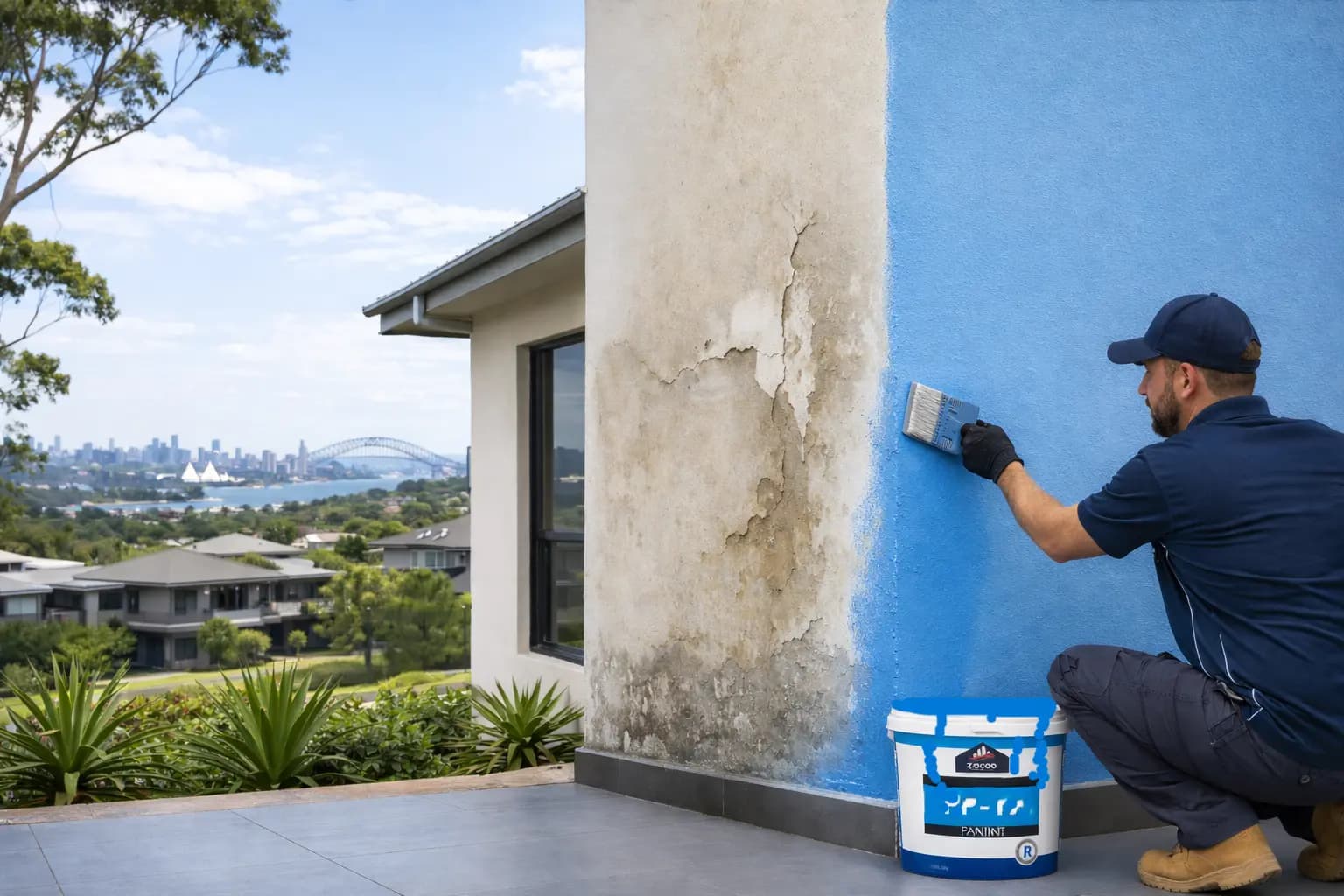
Dealing with damp patches or peeling paint drives you crazy, doesn't it? You paint over it, and a month later, it's back. If you're trying to fix water leakage in wall, waiting just makes things worse. Water seepage doesn't stop at ruining your paint job. It eats into your home's bones over time. Here's the good news. With the right approach and solid waterproofing for walls, you can kill the problem at its source and dodge those nightmare repair bills. Let's get your walls dry for good.
Why You Need to Fix Water Leakage in Wall Quickly
Look, heaps of homeowners put this off. "It's just a little stain," they say. But wall leakage spreads faster than you think.
When you do not fix water leakage in wall quickly, here is what you are in for:
- •
Mould growth and that horrible musty smell that never leaves
- •
Weak plaster that crumbles when you touch it
- •
Paint that bubbles and peels like bad sunburn
- •
Structural cracks that cost thousands to repair
- •
Sky-high repair bills you could have avoided
Act early. Protect your home and your wallet. A small fix today saves a big rebuild tomorrow.
Common Causes of Wall Leakage
Before picking a wall leakage solution, figure out what you're fighting. Here are the usual suspects.
Cracks in Walls
Tiny cracks are like open doors for water. Rain or humidity sneaks right through them.
Poor Exterior Protection
Walls without proper waterproofing for walls act like sponges. They soak up moisture for months and years until they can't hold any more.
Plumbing Leaks
A slow drip from a hidden pipe inside your wall creates damp patches you can't explain. Tricky to find, but you need to fix them fast.
Faulty Construction
Gaps, poor sealing between bricks, or cheap materials from the build can leak for the life of your home.
How to Fix Water Leakage in Wall Effectively
Here's the honest truth. Surface-level fixes won't cut it. Painting over a damp patch is like putting a bandaid on a broken bone. You need to hit the root cause.
Follow these steps to properly fix water leakage in wall:
1. Find the Source
Get up close. Is the leak coming from outside walls? A pipe inside? A visible crack? Knowing this saves you time and money. You can't treat what you haven't found.
2. Repair Wall Cracks Properly
Cracks are water's favourite entry point. You need proper wall crack waterproofing to seal those gaps tight. This stops water from sneaking in during the next big storm or from everyday humidity.
3. Apply Quality Waterproofing Products
This is where you build your shield. High-quality waterproofing products create a protective barrier right on your wall surface.
These products actually work:
- •
Block moisture penetration completely
- •
Improve your wall's strength
- •
Reduce the chance of future damage
Applying the right coating is your best move to fix water leakage in wall for the long haul.
4. Use External Waterproofing for Walls
Is rain hitting your outside walls and seeping through? Then external waterproofing for walls is non-negotiable. Don't skip it.
This treatment helps:
- •
Protect against driving rain
- •
Reduce how much water your walls soak up
- •
Add decades to your wall's life
- •
External treatment works best as a long-term defence.
5. Improve Drainage Around Your Home
Water pools around walls when drains are blocked or slopes go the wrong way. Fixing your drainage supports any wall leakage solution you apply. No coating can fight a river sitting against your foundation.
How to Stop Water Seepage in Walls Permanently
Wondering how to stop water seepage in walls for good? Here's the trick. Combine repair AND prevention. You can't do one without the other.
A proper wall leakage solution needs:
- •
Sealing every single crack properly
- •
Coating with tough, long-lasting waterproof membranes
- •
Fixing any external exposure issues
- •
Using top-grade waterproofing products
Get these four steps right, and you won't worry about fixing water leakage in wall again for years. Done and dusted.
Signs You Should Not Ignore
Signs You Should Not Ignore:
- •
Wet or discoloured patches that grow bigger after rain
- •
Paint peeling off or wallpaper puffing up
- •
Black or grey mould spots showing up
- •
That damp smell that won't leave no matter what you spray
These signs mean you need to fix water leakage in wall before it turns into a disaster.
Choosing the Right Wall Leakage Solution
Not every product works on every wall. The right wall leakage solution depends on:
- •
Interior or exterior wall (big difference!)
- •
How much damage is already there
- •
Rain and moisture exposure levels
- •
Existing cracks or gaps you can see
Using suitable waterproofing products for YOUR specific problem gives you better, longer-lasting results. Match the product to the problem.
Prevent Future Wall Leakage Problems
Once you've fixed the issue, stay on top of it. Prevention is way easier than another repair.
Simple steps that work:
- •
Inspect your walls twice a year, especially after storms
- •
Repair new cracks as soon as you spot them
- •
Reapply protective coatings when they wear down
- •
Keep your gutters and drains clear
These small habits maintain effective waterproofing for walls and stop recurring problems before they start.
ZOCOO Products for This Application

SCW-01 Polyaspartic Polyurea Waterproofing
Super adhesion. Colourless finish. Lifetime confidence ZoCoo SCW-01 Colourless Polyaspartic Polyurea delivers permanent, high-performance waterproofing with superior adhesion to various substrates. Its high tensile strength, wear resistance, and 600%+ elongation offer outstanding flexibility and crack resistance. Ideal for exposed, trafficable areas, the CLASS III membrane resists yellowing, corrosion, and chemicals.
View SCW-01
PM-21 Repair Primer - 15L
Penetrates deeply for lasting adhesion, and substrate protection ZoCoo PM-21 is a two-component, high-performance repair primer formulated with premium expoxy resin and a Cardanol-modified phenolic amine curing agent. It offers strong substrate bonding, fast drying, chemical and corrosion on resistance, and low VOC performance – ideal for strengthening and sealing concrete and other porous surfaces.
View PM-21
FW-11 Polyaspartic Polyurea Waterproof - 15L
Defends against subsurface pressure other systems can’t handle. ZOCOO FW-11 is a two-component, high-strength polyaspartic polyurea waterproofing system designed for demanding structural applications. Formulated with advanced polyaspartic polyurea, it resists internal hydrostatic pressure and provides a seamless, impermeable barrier. Mildew-proof and alkali-resistant, FW-11 is ideal for repairing and waterproofing damaged concrete and masonry structures.
View FW-11
Frequently Asked Questions
• What is the best way to fix water leakage in wall?
+• How do I know if my wall needs waterproofing?
+• Can wall leakage be fixed permanently?
+• How to stop water seepage in walls during rainy season?
+• Are waterproofing products effective for old walls?
+