Bathroom Waterproofing That Protects Your Home for Years
Table of Contents
Bathroom Waterproofing That Protects Your Home for Years

December 24, 2025
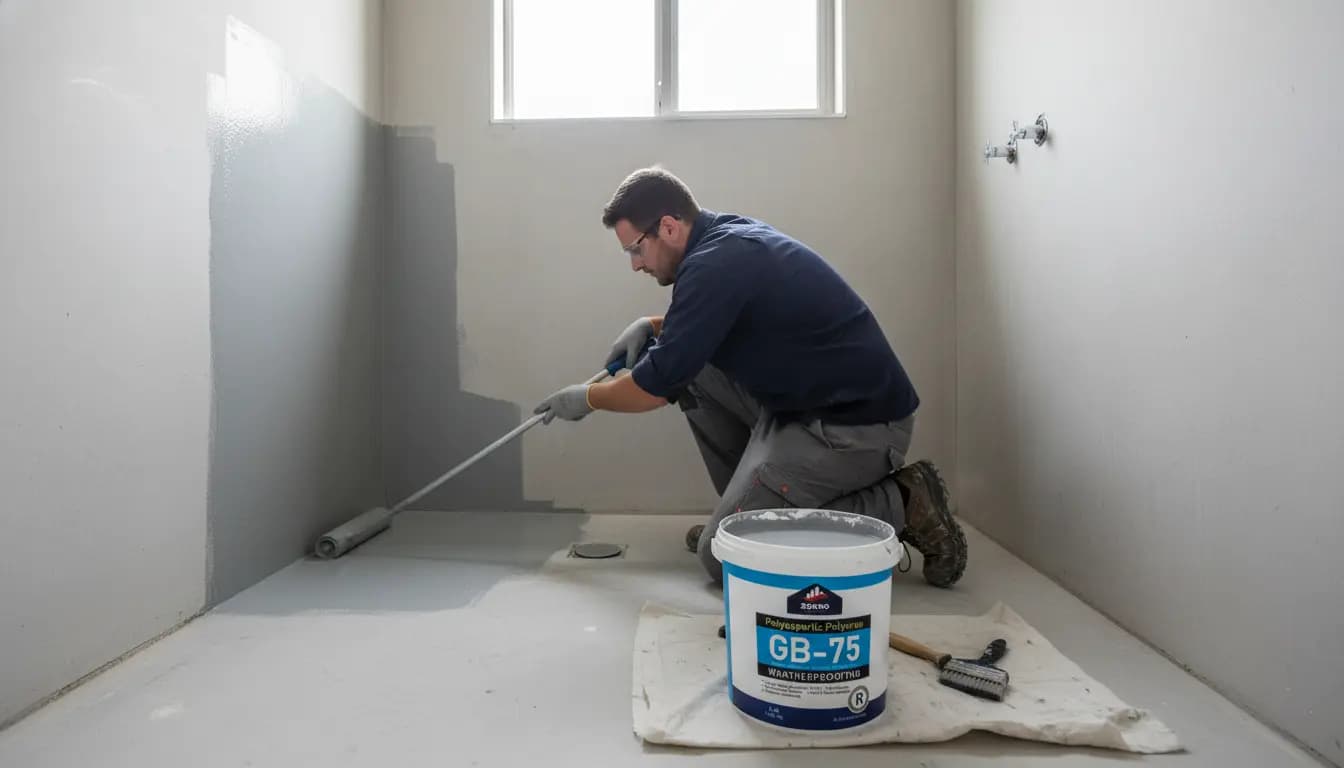
Bathrooms are the areas in a house that are most exposed to moisture. New showers, steam, water splashes, and cleaning activities are some of the things that continuously put pressure on the floors and walls. If there is no proper bathroom waterproofing, the moisture that is in the air can gradually go down in the less visible places and cause damage, which is the main reason that most of the time these kinds of damages remain unnoticed until they reach such a level that makes the repair very costly.
The right waterproofing stops water from rotting your floor joists and wall frames, saving you from a repair bill that could cost tens of thousands.
This article provides an understanding of the bathroom waterproofing process, its importance, and how to select suitable waterproofing materials for Australian homes.
Why Bathroom Waterproofing Is Essential
Water damage is not a seasonal or a one-day event. Water damage is mostly a silent, sneaky, and stealthy thing, which is why water damage is always found behind the tiles, under floors, and inside walls. After it has been left for some time, water damage that is made of wood rot, mould growth, tile failure, and even structural weakening can be found.
Correct bathroom waterproofing will result in a layer of protection that is impermeable to water and will keep water from moving past the surface. This keeps moisture where it belongs and protects the materials underneath from deterioration.
In Australia, waterproofing is also a legal requirement under building standards, especially in wet areas like showers, bathrooms, and laundries.
Common Problems Caused by Poor Waterproofing
When waterproofing is skipped or done incorrectly, the signs of such a mistake usually take months or even years to appear. These places are:
- •
Loose or cracked tiles
- •
Damp or musty smells
- •
Mould around grout lines
- •
Swollen skirting boards
- •
Water stains on ceilings below bathrooms
By the time these issues are visible, repairs usually involve removing tiles and redoing the waterproofing system entirely.
Areas in the Bathroom That Must Be Waterproofed
Not every surface needs the same level of protection, but certain zones are critical.
These include:
- •
Shower floors and walls
- •
Bathroom floors
- •
Areas around bathtubs
- •
Corners and wall junctions
- •
Floor wastes and drains
There is not a single method that would work for everyone. The best waterproofing methods should be selected depending on the place of water exposure and the way the bathroom is used.
Types of Bathroom Waterproofing Solutions
There is no one-size-fits-all approach. The best waterproofing solutions depend on where the water exposure occurs and how the bathroom is used.
1. Waterproofing Membranes
A waterproofing membrane is the main protection against water. It is made directly under the tiles to provide a continuous, soft barrier that keeps water from going through.
For a foolproof seal around tricky pipes and corners, a liquid membrane you paint on is your best bet. It flows into every nook and dries into a seamless, rubbery skin that water can't find a way through.
2. Primers for Surface Preparation
Before applying a membrane, the surface must be properly prepared. A suitable primer allows the membrane to hold tightly to the concrete or cement surfaces; thus, a primer can be seen as a necessary good helping the whole operation.
3. Complete Wet Area Systems
Some bathrooms benefit from a complete system approach, where primers, membranes, and compatible components work together. This ensures consistency and long-term performance across the entire wet area.
How to Ensure Long-Lasting Bathroom Waterproofing
First and foremost, waterproofing has to be done with great care and attention to detail if one is to get the desired results.
- •
Among the most important points of the plan
- •
Making sure that surfaces are clean, dry, and dust-free
- •
Applying a primer before putting on the waterproofing membrane
- •
Sealing corners, joints, and penetrations tightly
- •
Giving the right curing time before tiling
- •
Using products that are compatible with each other throughout the system
One of the most common reasons for the premature failure of waterproofing works is that people either rush the waterproofing process or skip some steps.
Common Waterproofing Mistakes to Avoid
A few of the most frequent troubles are:
- •
Putting the waterproofing membrane in a very thin layer.
- •
Not using primer before waterproofing.
- •
Not sealing corners and junctions properly.
- •
Putting tiles before the waterproofing membrane is fully dried.
- •
Using products that are not compatible with each other.
It is worth noting that just by avoiding these mistakes your bathroom waterproofing will last much longer and function better.
ZOCOO Products That Support Bathroom Waterproofing
ZOCOO Australia focuses on professional waterproofing support products rather than decorative finishes. For a system you can trust, the pros use products designed to work together. Start with a primer like PM-21 to lock down the surface.
• GB-75 Waterproofing Membrane
Provides a reliable moisture barrier for wet areas such as showers and bathroom floors.
• SH-502 Shower and Wet Area System
It gives an added layer of protection to the areas where moisture is high, like bathrooms, showers, and so on.
• PM-21 Primer
It makes the surface of concrete and cement ready by cleaning and dust removal; thus the membranes can perform as expected.
When correctly installed, these items that are used together can create the waterproofing layer that is not only durable but can also be the foundation of long-lasting tiling work.
ZOCOO Products for This Application

GB-75 Polyaspartic Polyurea Waterproofing - 15L
Engineered for extreme conditions, built for lifelong durability. ZoCoo GB-75 is a high-performance, two component polyaspartic polyurea membrane engineered for the toughest waterproofing challenges. Ideal for wet areas, exposed surfaces, and potable water systems, it delivers rapid application, exceptional flexibility, and lifelong durability - resisting UV, chemicals, abrasion, and extreme weather with ease.
View GB-75
SH-502 Polyaspartic Polyurea Waterproofing - 15L
Ultimate self-healing shield against water, cracks & quakes ZoCoo SH-502 is the first healing, high-performance, fully bonded waterproofing membrane designed for non-exposed wet areas on walls and floors. With exceptional elasticity – over 1700% elongation – it’s built to withstand substrate movement, settlement, and even frequent earthquakes. Durable, flexible, and rupture proof – SH-502 delivers long lasting protection where traditional membranes can’t keep up.
View SH-502
PM-21 Repair Primer - 15L
Penetrates deeply for lasting adhesion, and substrate protection ZoCoo PM-21 is a two-component, high-performance repair primer formulated with premium expoxy resin and a Cardanol-modified phenolic amine curing agent. It offers strong substrate bonding, fast drying, chemical and corrosion on resistance, and low VOC performance – ideal for strengthening and sealing concrete and other porous surfaces.
View PM-21
Frequently Asked Questions
• What is bathroom waterproofing?
+• Is a waterproofing membrane really necessary?
+• How long does bathroom waterproofing last?
+• Can waterproofing be applied over existing tiles?
+• Is bathroom waterproofing required by Australian standards?
+