What to Do After Heavy Rain; Quick Waterproofing Actions
Table of Contents
What to Do After Heavy Rain; Quick Waterproofing Actions

March 09, 2026
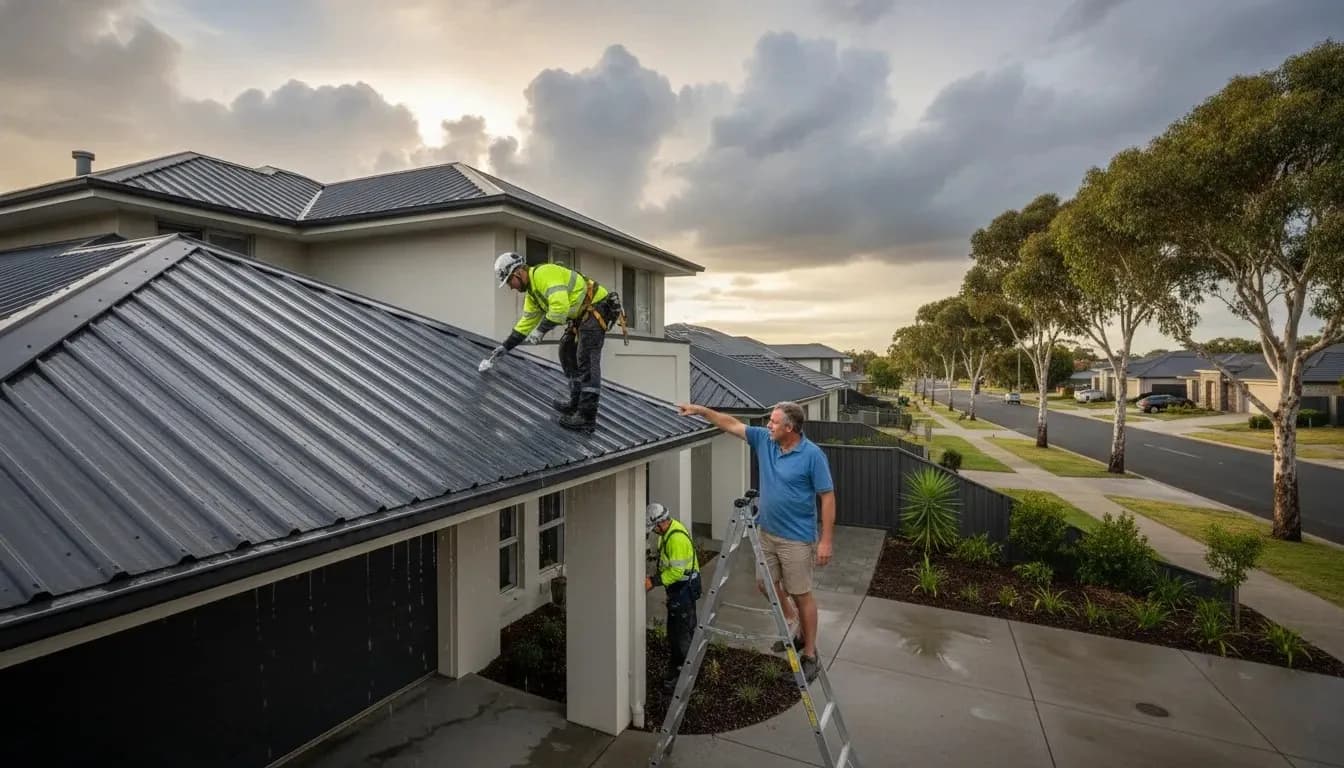
Heavy rain can be relentless. Even if your home looks fine from the outside, water has a way of finding the smallest weakness. A tiny crack or loose joint can quietly turn into a bigger issue overnight.
If you’ve just experienced intense rainfall, now is the time to act; not wait. This practical waterproofing inspection checklist will help you quickly assess your home and take smart steps before minor moisture turns into serious damage.
Why Immediate Waterproofing Action Matters
Water rarely causes damage straight away. Instead, it seeps in, spreads behind surfaces, and slowly weakens structures.
When roof leakage after heavy rain is ignored, it can lead to:
- •
Ceiling stains that keep growing
- •
Mould developing inside walls
- •
Warped timber or insulation
- •
Electrical risks
- •
Expensive repairs months later
The sooner you respond, the easier (and cheaper) the solution will be.
Step 1: Inspect the Roof for Visible Damage
Start with a visual check of your roof; but only if it’s safe.
Look for:
- •
Dislodged tiles
- •
Lifted metal sheets
- •
Cracks or gaps
- •
Damaged flashing
- •
Areas where water may be pooling
These are common reasons for roof leakage after heavy rain. You don’t need to be an expert; just look for anything that seems out of place.
If you’re unsure or access is risky, arrange a professional inspection instead. Initially do a surface inspection of your roof visually but only when safe.
Keep an eye out for:
- •
Missing tiles
- •
Metal sheets that have been lifted
- •
Cracks or holes
- •
Damaged flashing
- •
Water may be pooling in some areas
- •
These are the typical sources of roof leaks after a heavy rain
You don't have to become a specialist just check for anything that looks suspicious. If you can't figure it out or if the access is dangerous, get a certified roof inspector instead.
Step 2: Check Ceilings and Interior Walls
Afterwards, go inside. Check out the ceiling at the corners and the parts of the walls that lie directly under the roof.
The problem is not always with the roof itself but often with the roofing of drainage system.
Leaves and other debris may have blocked the gutters and downpipes resulting in water overflowing and entering the building.
- •
Apply Temporary Waterproofing Solutions
- •
You may require to a quick fix in case you spot a drip or an opening.
- •
Temporary waterproofing solutions may be
- •
latent in the crack sealing a visible crack
- •
covering an exposed section with waterproof sheeting
- •
applying a short-term sealant over a vulnerable joint
These are not permanent repairs but they can minimize the extent of the immediate damage.
Step 3: Clear Blocked Drains & Gutters
Sometimes the issue isn’t the roof itself; it’s the drainage.
Leaves and debris can block gutters and downpipes, forcing water to overflow back into the structure.
Clearing them is one of the simplest but most effective monsoon waterproofing tips you can follow. Good drainage reduces pressure on your roofing system and prevents unnecessary seepage.
Step 4: Apply Temporary Waterproofing Solutions
If you notice active dripping or visible gaps, you may need a quick fix.
A temporary waterproofing solution could include:
- •
Sealing a visible crack
- •
Covering an exposed section with waterproof sheeting
- •
Applying a short-term sealant over a vulnerable joint
This is not the final repair; but it can reduce immediate damage.
In more urgent cases, emergency roof waterproofing measures may be required to stop water entry before professional repairs are completed.
Step 5: Dry Affected Areas Immediately
Dry the affected spots without delay. Water damage worsens if moisture stays.
If you find wet areas:
- •
Run fans or use dehumidifiers
- •
Keep windows open if the weather is nice
- •
Take out the wet insulation if its accessible
- •
Dry carpeting or floors promptly
Drying is equally crucial as sealing. It stops mould from developing and reduces the impact on the structure.
Step 6: Inspect Foundation & Basement
Besides roofs, heavy rain can affect other parts of the house as well.
Go around your house and check:
- •
Whether there is a water pond by the walls
- •
If the basement is wet or damp
- •
If there are cracks in the foundation
- •
Low spots where water settles
Early detecting these problems may be an excellent terrace seepage solution and at the same time ensuring the safety of your house.
Preventive Waterproofing Tips for Future Heavy Rain
Prevention will always be easier than cure. Here are some nice and easy ways to lower the risk before the next storm comes.
Apply High-Performance Waterproof Coating
The protective coating works as a protective layer for your roofing surface. Zocoo Australia's PP-17 Paint Coating forms a tough moisture barrier and also protects against UV ray damage. The best time to apply your coatings is just before the heavy rain season, so you get to reinforce your surfaces that are most at risk and lower the chances of leaks in the future.
Getting your coating done as part of your routine waterproofing servicing can really bring about quite an appreciable change in the long-run.
Seal Cracks Before Monsoon Season
Small cracks are often overlooked; until they let water in.
Using Zocoo Australia’s P97 / P98 Polyurea Tile Grout, you can seal joints and tile gaps effectively before the monsoon begins. Properly sealed joints significantly reduce hidden moisture entry.
This is one of the smartest and simplest roof leak prevention techniques homeowners can implement early.
Protect Roof Joints & Flashings
Roof joints and flashing points respond to changes in temperature and wind pressure.
You can make these areas more flexible and last longer by adding Zocoo Australia's GB, 75 Polyaspartic Polyurea Waterproofing.
Properly sealed joints greatly reduce the risk of the roof leaking after a heavy downpour.
ZOCOO Products for This Application

P97 Polyurea Tile Grout (Gloss)
Vibrant colours that stand the test of time, with lasting durability. ZoCoo P97 (Gloss) is a two-component polyaspartic ester polyurea grout combing hardness, adhesion, and flexibility. It offers excellent weather and UV resistance to maintain colour integrity for decades. Solvent free and environmentally friendly, it can be custom matched to any tile colour for seamless finishes.
View P97
P98 Polyurea Tile Grout (Matte)
Vibrant colours that stand the test of time, with lasting durability. ZoCoo P98 (Matte) is a two-component polyaspartic ester polyurea grout combing hardness, adhesion, and flexibility. It offers excellent weather and UV resistance to maintain colour integrity for decades. Solvent free and environmentally friendly, it can be custom matched to any tile colour for seamless finishes.
View P98
PP-17 Paint Coating
Clean Finish, Clean Formula ZoCoo PP-17 is a two-component, waterborne polyurethane topcoat designed for surfaces requiring both aesthetics and long-lasting protection. Made from high-grade polyurethane emulsion, curing agent, and safe water-based components, PP-17 offers excellent resistance to scratches, stains, and chemicals while maintaining vibrant colour and gloss. Its non-yellowing formula is ideal for environments where durability and appearance matter.
View PP-17
Frequently Asked Questions
• What should I check first after heavy rain?
+• What are the early signs of roof water damage?
+• Can I use a temporary waterproofing solution myself?
+• What is emergency roof waterproofing?
+• How can I prevent roof leakage during monsoon season?
+