Trafficable Waterproofing Membrane: Where to Use It and How to Choose
Table of Contents
Trafficable Waterproofing Membrane: Where to Use It and How to Choose

September 16, 2026
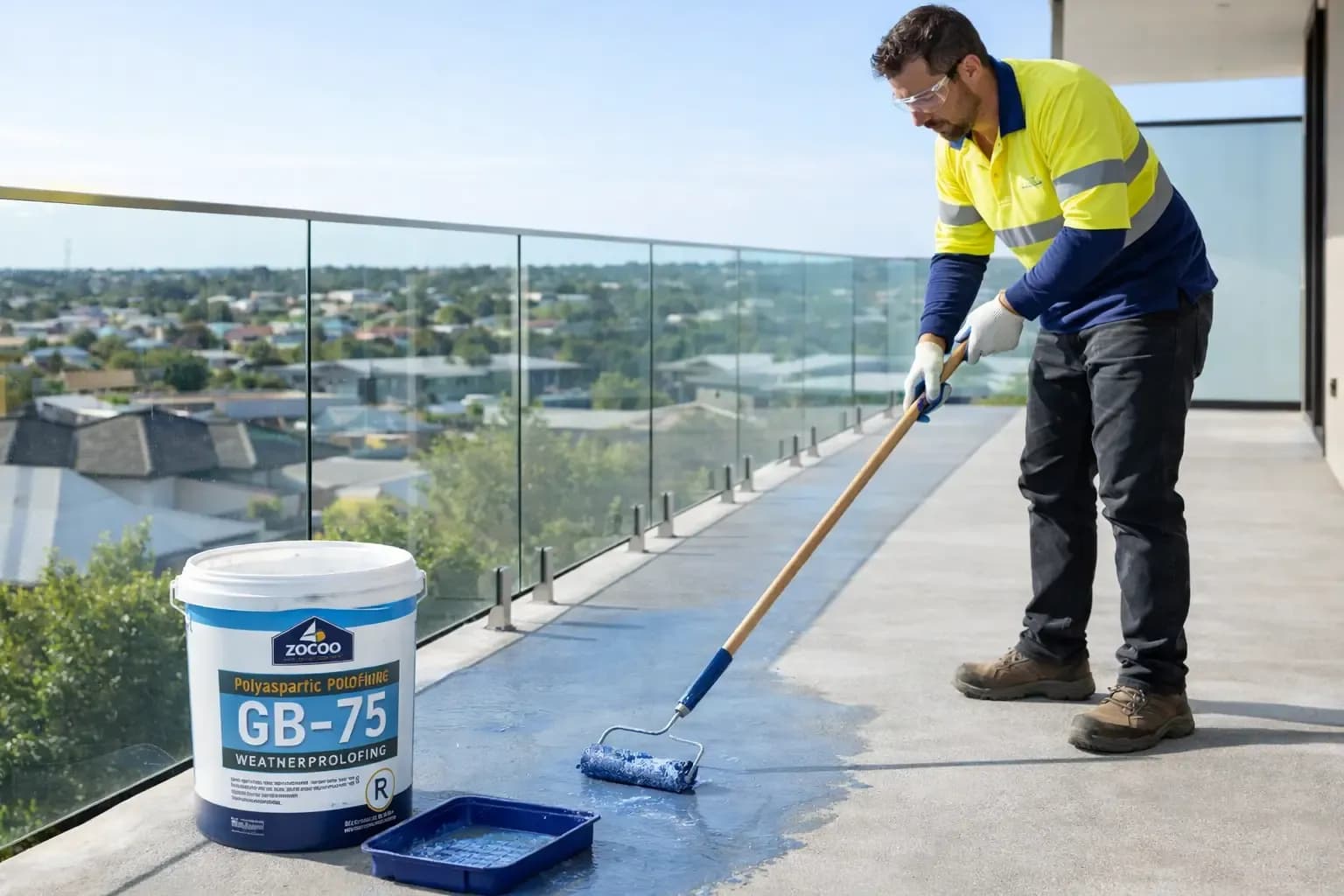
A trafficable waterproofing membrane is one of the most effective ways to protect exposed surfaces that need to withstand regular foot traffic while remaining completely watertight. Whether you are constructing a new development or upgrading an existing surface, these high-performance systems provide durable, long-lasting waterproofing for residential, commercial, and industrial applications.
Below you will find where these membranes are used, which ZOCOO systems are rated for trafficable areas, and what to check before you specify one.
What Makes a Waterproofing Membrane "Trafficable"?
Beyond just preventing water ingress, a trafficable waterproofing membrane is designed to withstand regular foot traffic and light vehicle movement.
While a standard membrane focuses on waterproofing alone, a trafficable membrane offers additional durability features, including abrasion resistance, impact resistance, UV stability, and slip resistance.
This makes it much more suitable for exposed surfaces and high-traffic areas. Within commercial settings, trafficable membranes are predominantly used on balconies, podiums, decks, ramps, and walkways where both performance and finish matter.
Trafficable Waterproofing Membrane Product Range
ZOCOO supplies specialist waterproofing solutions and professional building equipment designed for residential, commercial, and industrial projects across Australia and New Zealand.
Our trafficable waterproofing membrane systems are designed for performance and long-term protection in high-use areas exposed to moisture, foot traffic, UV, and harsh environmental conditions. The systems below are the ones rated for exposed, trafficable surfaces.
SCW-01 Polyaspartic Polyurea Waterproofing
A colourless CLASS III membrane for exposed surfaces, rated for exterior trafficable use when 200 grade mesh quartz sand is added at a ratio of one part sand to four parts SCW-01. High tensile strength, wear resistance and over 600% elongation, with resistance to yellowing, corrosion and chemicals. View SCW-01
GB-75 Polyaspartic Polyurea Waterproofing
A two-component polyaspartic polyurea membrane specified for exposed rooftops and terraces, resisting UV, chemicals, abrasion and extreme weather. Over 600% elongation for permanent flexibility, and safe for potable water systems. View GB-75
SH-502 Finished With a GB-75 Topcoat
On its own, SH-502 is a self-healing membrane for non-exposed wet areas, built for substrates that move or settle with over 1700% elongation. Finished with a GB-75 topcoat, it becomes an exposed, trafficable weatherproofing membrane. View SH-502
PM-21 Repair Primer
The primer specified before the membrane coat. It penetrates and seals porous concrete, cement and mortar, and is applied to all joints, corners and angles ahead of GB-75 or SH-502. View PM-21
Complementary products from the ZOCOO range:
Polyaspartic Polyurea Waterproofing
Highly advanced waterproofing technology offering exceptional durability and resistance to UV exposure, chemicals, moisture, and abrasion.
Polyurea Floor Coating
High-performance floor protection systems designed for demanding environments, delivering long-lasting durability and a seamless finish.
Grout & Adhesive
Polyurea-based grouts and adhesive systems are designed to complement waterproofing applications and to enhance tile installation.
Equipment
A range of professional application tools and waterproofing materials to support projects of all sizes.
Each product category is built to work alongside the others, from primer through to topcoat. Need more information on specific products? Contact our team for expert advice.
Balcony and Outdoor Membrane Waterproofing
Trafficable waterproofing membranes are ideal for balconies and outdoor areas exposed to foot traffic, weather, and moisture. Unlike standard membranes, these systems provide both waterproof protection and a durable walking surface.
Benefits include:
- •
Withstands regular foot traffic without compromising waterproof performance.
- •
Prevents water ingress to protect the underlying structure from leaks and moisture damage.
- •
Resists UV exposure and harsh weather, helping extend the lifespan of the waterproofing system.
- •
Accommodates substrate movement while maintaining a flexible, watertight seal.
Waterproofing Membrane for Roofs and Podium Decks
A waterproofing membrane for roofs is designed specifically for flat roofs and podium decks that double as functional outdoor spaces. Unlike standard waterproofing membranes, a trafficable membrane provides a durable, weather-resistant surface that protects against water ingress while withstanding regular foot traffic.
Benefits include:
- •
Protects roofs and podium decks from water ingress and moisture damage.
- •
Creates a trafficable surface for rooftop terraces and communal spaces.
- •
Resists UV exposure and temperature fluctuations.
- •
Accommodates substrate movement while maintaining a watertight seal.
Waterproofing Membrane for Concrete Slabs and Car Parks
A trafficable waterproofing membrane for concrete slabs is ideal for car parks, driveways, loading areas, plant rooms, and podium decks, helping prevent water ingress while protecting the underlying concrete from deterioration.
Benefits include:
- •
Protects concrete surfaces from water damage, cracking, and premature deterioration.
- •
Stands up to foot traffic and abrasion on plant rooms, walkways and podium decks. Areas carrying vehicles need a membrane rated for vehicular loads.
- •
Helps protect reinforcing steel by preventing moisture ingress.
- •
Reduces long-term maintenance costs and the need for concrete repair.
Get Expert Advice on Trafficable Waterproofing Membranes
Need help deciding on the right product? Contact our team today, and we will help you make the right choice.
Frequently Asked Questions
Can you waterproof a balcony over existing tiles?
+Can ZOCOO's trafficable membrane handle vehicle traffic in a car park?
+How long does a trafficable waterproofing membrane last?
+