Waterproofing Membrane for Concrete: Types, Uses and How to Choose
Table of Contents
Waterproofing Membrane for Concrete: Types, Uses and How to Choose

October 6, 2026
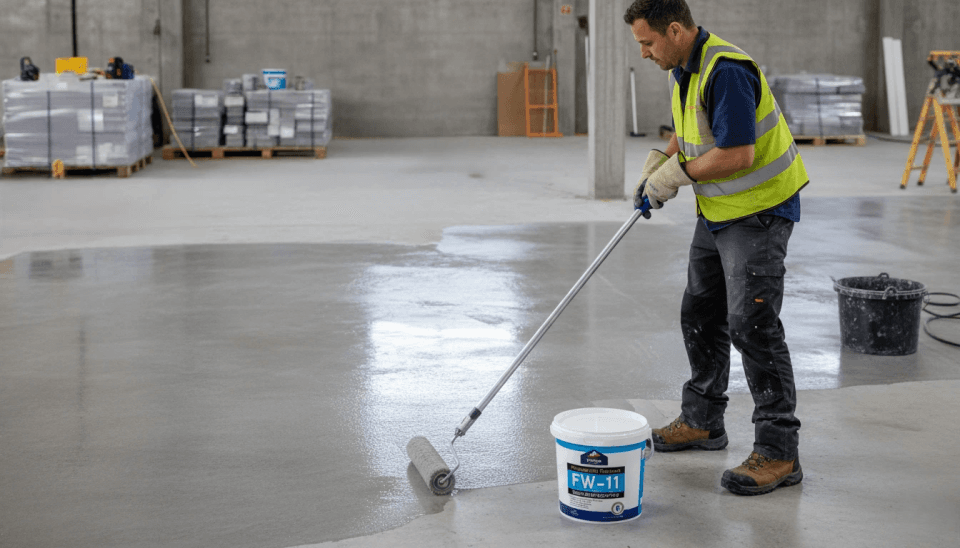
Summary: A waterproofing membrane for concrete is a continuous liquid-applied, cementitious or sheet layer bonded to the surface. This guide covers how a membrane differs from a sealer, why concrete leaks without one, how a membrane is applied, and which system Zocoo Australia recommends.
A waterproofing membrane for concrete creates a continuous barrier that helps prevent water from penetrating the porous surface. This is important because when moisture reaches the steel reinforcement within concrete, it can contribute to corrosion, cracking and spalling over time.
The right membrane depends on where the concrete is used and how the surface will be finished. A balcony, roof, planter or basement each has different exposure and waterproofing requirements, while tiled and exposed concrete surfaces may call for different membrane systems.
Looking for the right waterproofing membrane for concrete? Contact Zocoo Australia today, and we'll help you find the ideal option for your project.
What Is a Waterproofing Membrane for Concrete?
A waterproofing membrane for concrete is a liquid-applied, cementitious or sheet layer bonded to the concrete surface. It stays unbroken over the whole area, including hairline cracks.
Concrete is porous and cracks as it shrinks and moves, which is why a surface layer is needed.
Membrane or Sealer: Which Does Concrete Need?
A concrete sealer protects the surface, while a waterproofing membrane helps stop water from passing through concrete. A sealer will not bridge moving cracks, but a flexible membrane can. For balconies, roofs and planters, a membrane is generally the better choice.
| Concrete Sealer | Waterproofing Membrane | |
|---|---|---|
| What it does | Protects the concrete surface | Helps prevent water penetration |
| Crack bridging | Does not bridge moving cracks | Flexible membranes can bridge suitable cracks |
| Used for | Surface protection | Balconies, roofs, planters and wet areas |
For more on when to use a sealer, see our guide to the Perks of Using the Best Concrete Sealer.
Why Concrete Leaks Without a Membrane
Concrete waterproofing helps prevent water ingress through capillary pores and shrinkage cracks. This can cause rust, and as the rust expands, it can push the concrete apart, leading to spalling, often referred to as concrete cancer. This can damage building structures over time.
- •
Flat roofs: Water can pool on the surface and slowly penetrate the slab.
- •
Balconies: Moisture can pass through the slab and affect the living space below.
- •
Planter boxes: Constant moisture can sit against the concrete and penetrate the slab.
How a Waterproofing Membrane Is Applied to Concrete
The application of a waterproofing membrane starts with preparing the concrete surface and ends with testing the finished system before tiling or handover.
1. Clean and repair the slab
Remove dust, dirt and loose material, then repair cracks, holes and other defects.
2. Check the concrete
Make sure new concrete has cured and the slab is dry. New concrete is commonly allowed around 28 days to cure, but always follow the product requirements.
3. Prime the surface
Apply the specified primer where required by the membrane system.
4. Reinforce joints and corners
Treat movement joints, corners, penetrations and other vulnerable areas as specified.
5. Apply the membrane
Apply the required coats to the specified thickness, following Zocoo's product data sheet for coat thickness and application requirements.
6. Allow it to cure
Follow the product data sheet for the required curing time before covering or exposing the membrane.
7. Flood test
Where required, flood test the completed waterproofing before tiling or handover.
Enquire Today
Not sure which membrane is suitable for your concrete surface? Contact Zocoo Australia with details about your project, including the area, location and intended finish.
We can help you identify the waterproofing requirements and discuss suitable membrane options for your application.
Frequently Asked Questions
What is the best waterproofing membrane for concrete?
+How long should new concrete cure before waterproofing?
+Can you apply a waterproofing membrane over existing concrete?
+Is a concrete sealer the same as a waterproofing membrane?
+How long does a waterproofing membrane last on concrete?
+