Polyurea Coating for Long-Lasting Waterproof Floor Protection
Table of Contents
Polyurea Coating for Long-Lasting Waterproof Floor Protection

January 5, 2026
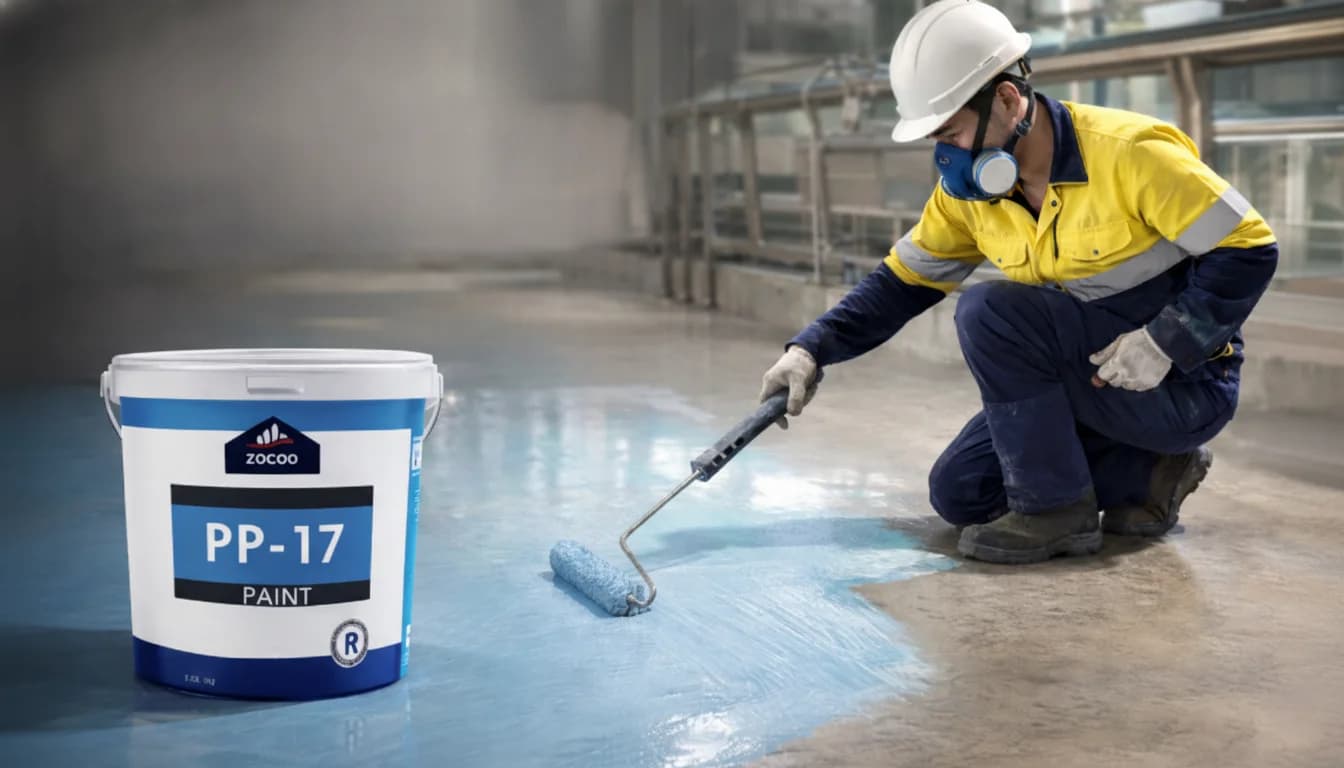
Australian floors in homes and workplaces are under pressure all the time. The most common causes of wear are foot traffic, moisture, temperature changes, and general wear, which can quickly destroy surfaces that have not been treated. Polyurea is a reliable solution that is clearly distinguished. Polyurea waterproof coating is used to cover the surface with a strong, water-resistant layer that is not easily damaged. The maintenance is simple. So, it can be a very good waterproof floor coating for different types of environments.
What Exactly is Polyurea Coating?
Forget old-fashioned paints and brittle epoxies. Polyurea coating is a next-generation elastomer. In simple terms, it's a liquid plastic that sprays or rolls on and cures in minutes to form a seamless, rubber-like skin.
Its superpower is in the chemical reaction. When the two components mix, they create an incredibly strong, flexible, and completely waterproof bond. Think of it as a custom-fitted, armoured shell for your concrete. It doesn't just sit on top; it becomes part of the surface, locking out moisture, stains, and wear for years.
Why Choose Polyurea? The Benefits That Matter to You
If you are securing an area, you want results, not just promises. What does a polyurea waterproof coating really do for you:
• Sets Incredibly Fast
This is its major party trick. While epoxy can take up to several days to fully cure, polyurea is ready in a matter of hours.
• Unmatched Durability
It's ridiculously tough. Polyurea is able to endure impacts and abrasion resulting from heavy traffic and will not be chipped or peeled as thinner coatings are.
• Total Waterproof Seal
As a waterproof floor coating, it's in a league of its own. It forms a seamless, non-porous membrane that water cannot penetrate. This makes it perfect for wet areas, balconies, and protecting concrete from the inside out.
• Super Flexible
Concrete cracks. It changes with temperature. Rigid coatings crack along with it. Polyurea can be stretched. It has a phenomenal elasticity to bridge small cracks and flex with the substrate; thus, the waterproof seal is kept intact.
• Chemical & Stain Resistance
The product is highly resistant to staining due to hydrocarbons, such as oils and fuels, and common solvents like dilute hydrochloric acid, acetone and ethanol. Spills can be wiped with ease, and no permanent stain is left behind, which makes it simple to keep the product clean.
Where Does Polyurea Coating Make the Most Sense?
This is not a product for every wall. It is a high-performance solution for high-demand areas only. The points where it shines are as follows:
• Your Garage Floor
The ultimate upgrade. It turns a porous, oily, stained concrete slab into a glossy, easy-to-clean surface that can be used for cars, tools, and leaks without wearing out.
• Commercial & Industrial Floors
Polyurea is the best professional option for workshops, warehouses, or car parks where the main conditions of durability and fast turnaround are met.
• Balconies & Rooftop Terraces
Its combination of waterproofing flexibility and UV resistance (in top-coated systems) protects the structure from weather.
• Wet Areas & Waterproofing
As a polyurea waterproof coating, it's used as a primary tanking membrane in bathrooms or behind tiles in showers for its seamless, reliable barrier.
• Food Preparation Areas
Its seamless, non-porous, and cleanable surface meets strict hygiene standards for commercial kitchens.
The Real Deal on Installation: Why Pros Matter
You can buy DIY floor paint at any hardware store. A true polyurea coating system is different. Getting its legendary performance depends on perfect preparation and precise application.
• Surface Prep is Everything
The concrete must be clean, dry, and profiled (often by grinding or blasting) so the coating can mechanically lock on. Any contamination or moisture underneath is a guaranteed failure point.
• Precise Application
Installation professionals use a very specific type of spray device to mix and apply the parts in the most correct proportions, temperature and thickness.
• The System Approach
The best results use a system: a primer for optimal adhesion, the polyurea base coat for strength and waterproofing, and often a UV-resistant topcoat for colour stability outdoors.
Hiring a certified installer might seem like an extra cost, but it's the only way to guarantee you get the bulletproof, long-lasting floor you're paying for. It's an investment in a result, not just a product.
Polyurea vs. The Rest: A Straight Comparison
How does it stack up against other common waterproofing materials and coatings?
• Polyurea vs. Epoxy
Epoxy is hard but can be brittle and yellow in the sun. Polyurea is more flexible, cures faster, and has better UV and chemical resistance. Polyurea is the newer, tougher generation.
• Polyurea vs. Paint
There's no comparison. Paint is a decorative film that sits on the surface and wears through. Polyurea is a wear layer that bonds and becomes part of the floor.
• Polyurea vs. Traditional Liquid Waterproofing
Standard acrylic membranes are for keeping water out. Polyurea does that and adds a tremendously durable, chemical-resistant wear surface. It's two solutions in one.
Frequently Asked Questions
• Is polyurea coating suitable for wet areas?
+• Can polyurea be used as a waterproof floor coating indoors?
+• How long does polyurea coating last?
+• 4. Does polyurea coating crack over time?
+• 5. Is polyurea considered a reliable waterproofing material?
+